Wake Island

Wake Island, a remote atoll in the western Pacific Ocean, is an unorganized territory of the United States. It consists of three islets — Wake, Wilkes, and Peale — encircling a central lagoon. Historically, it gained importance in the late 19th century when the U.S. claimed it (1899) and later developed it as a refueling stop for trans-Pacific flights. Today, it has no permanent population, serving primarily as a U.S. military and scientific outpost. Interesting fact: It is only accessible by military permission.

Wake Island postcard

Wake Island postmark

U.S. Virgin Islands

The U.S. Virgin Islands, a Caribbean territory of the United States, consist mainly of St. Thomas, St. John, and St. Croix. Historically, they were inhabited by the Taíno before European colonization, and later became a hub of sugar plantations worked by enslaved Africans under Danish rule. In 1917, the U.S. purchased the islands from Denmark for strategic purposes during World War I. Fun fact: They drive on the left side of the road despite being a U.S. territory.

USVI postcard

USVI stamps

Women ranchers in the USA

Women ranchers in the USA have long played a vital but often overlooked role in shaping the country’s agricultural and cultural heritage. From the 19th-century frontier days, they worked alongside men to manage livestock, ride the open range, and endure the hardships of ranch life. Over time, women ranchers became landowners, business leaders, and key voices in preserving rural traditions.

On the postcard: An All-Around Hand. Wife, mother, roper, horse trainer, cook, bottlewasher, and much more.

USA stamps

USA postcard

Managaha Island Defenses

Japanese coastal defense gun inside its unfinished concrete casemate bombed by U.S. invading forces, Managaha Island, Saipan, Commonwealth of the Northern Mariana Islands, USA. At the end of World War I the islands became a part of the Japanese Mandate under the League of Nations, starting in 1918. The islands were taken from the Japanese by USA in the Battle of Saipan in 1944. Today, the Northern Mariana Islands is an unincorporated territory and commonwealth of the United States consisting of 14 islands in the northwestern Pacific Ocean.

Northern Mariana Islands postcard

Northern Mariana Islands stamps

Guam

Guam is an unincorporated territory of the USA (which means it’s controlled by US, but is not part of it) in the Pacific Ocean. The original inhabitants of Guam were the Chamorro people.

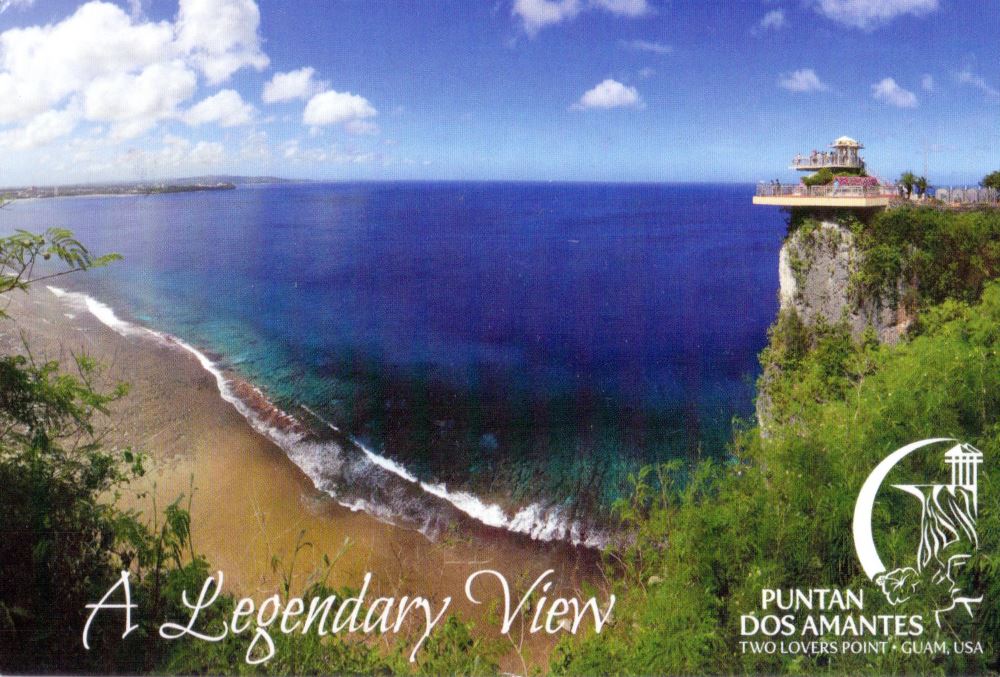
The Two Lovers Point, a cliff line towering over Tumon Bay in northern Guam, is pictured on this postcard and take it’s name from the legend of the Chamorro people. The same one you can probably find in any other culture’s – beautiful girl, chiefs daughter, runs away from the arranged marriage plans, falls in love with another guy, and they eventually jump of a cliff together. Today, the Two Lovers Point is a park, and a a popular location for weddings.

New York State

New York is a state in the northeastern United States, and is the 27th-most extensive, fourth-most populous, and seventh-most densely populated U.S. state. The New York City – the most populous city in the United States – is located in the southern part of the state.

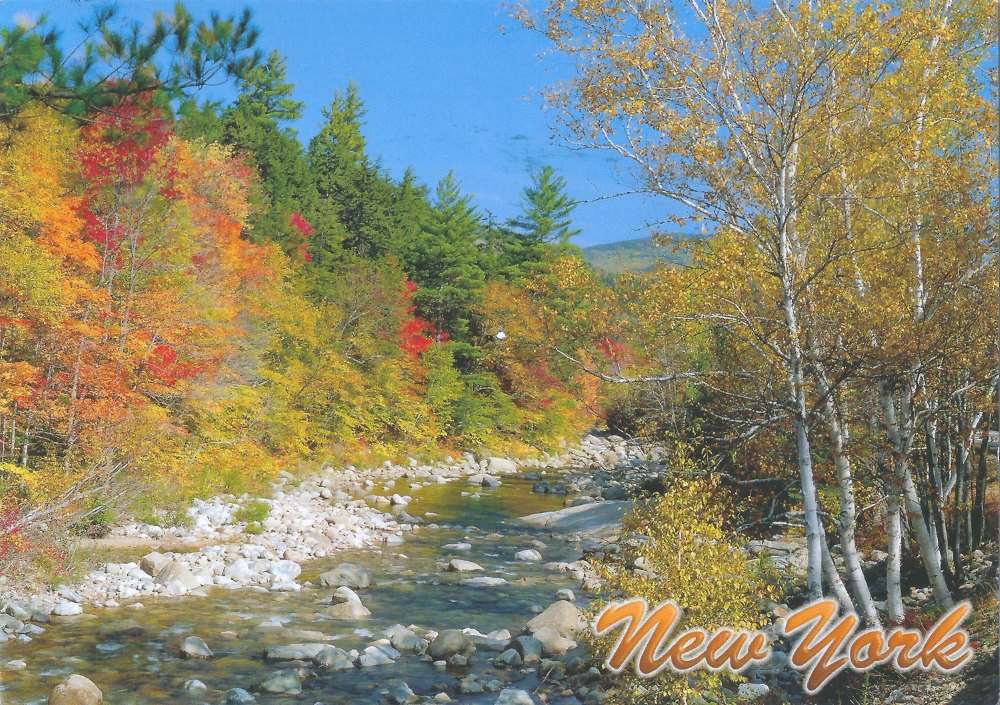
I lived in the northern suburbs of NYC for many years, it has lots of beautiful parks and lakes, and most beautiful, colorful autumn I’ve ever seen. Like on this postcard, but much better live.

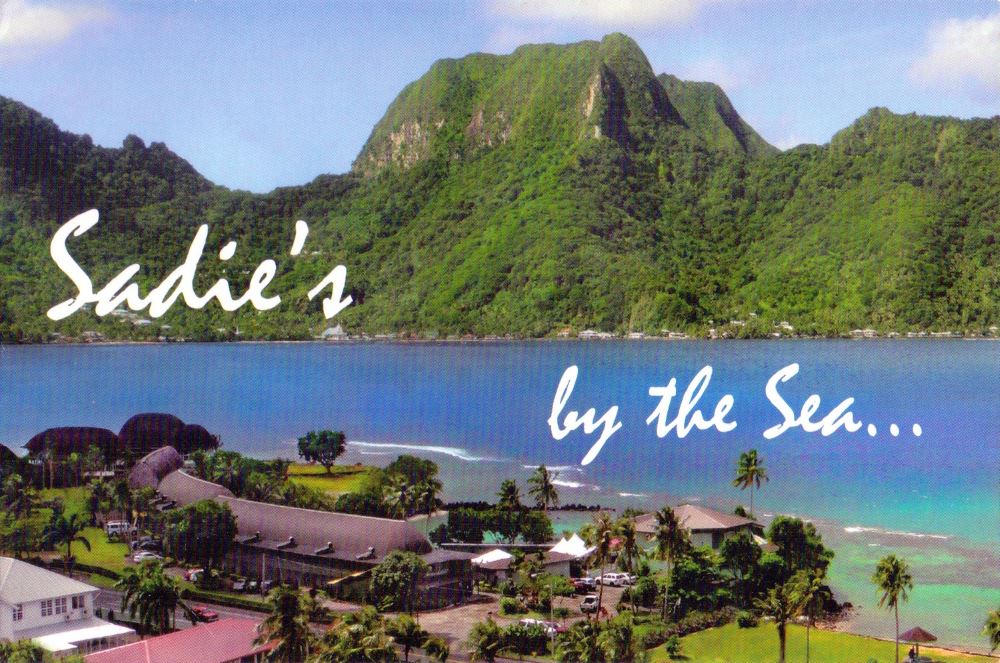
American Samoa – Poga Poga

American Samoa is an unincorporated territory of the United States located in the South Pacific Ocean. An unincorporated territory is an area controlled by the United States government which is not part of the United States. American Samoa consists of five main islands and two coral atolls. The largest and most populous island is Tutuila, with the Manuʻa Islands, Rose Atoll, and Swains Island also included in the territory.

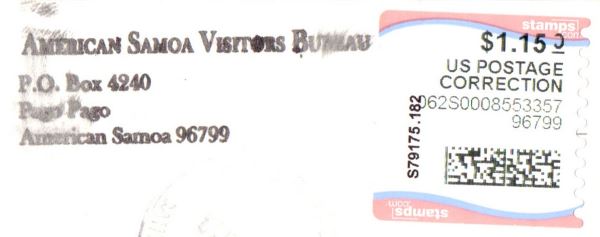
I received this postcard from Pago Pago, the capital city of the American Samoa, which is located on Tutuila island.

American Samoa on the map →

Thank you, American Samoa Visitors Bureau!